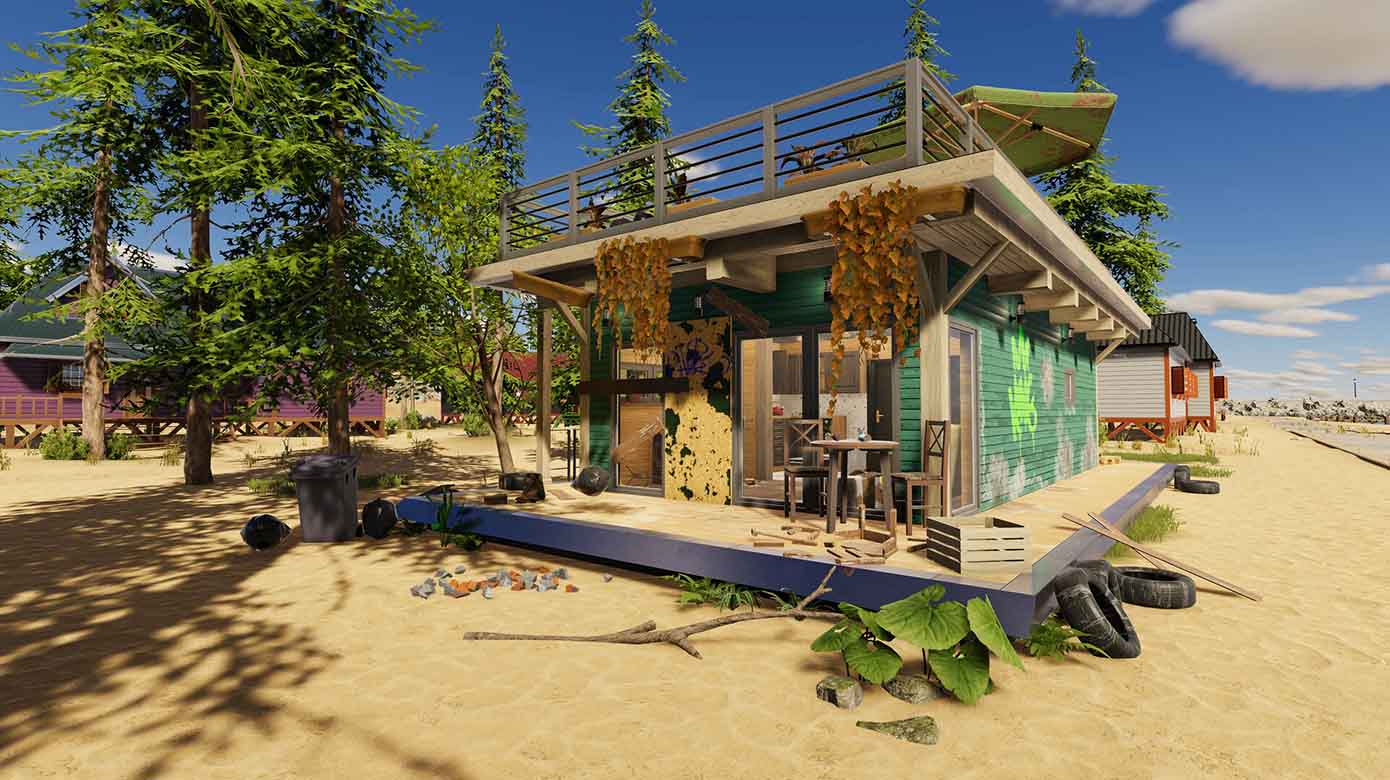
The charm of simulation games often lies in their ability to let us temporarily escape reality and step into an entirely new life role. Whether becoming the master of a farm or a city planner, simulation games offer a fascinating world where players can experience and manage virtual lives. In these games, players not only enjoy a relaxed pace but also face challenges and achievements in different scenarios. From farming and livestock management to urban planning and managing bustling city life, each simulation game has its unique appeal and detailed world.
I have always been passionate about these games because they provide a dual experience of fulfillment and relaxation. Especially in a busy life, simulation games have become my favorite way to unwind and relieve stress.
I. Stardew Valley — Growing from the Fields to Dreams
Stardew Valley is a simulation game combining role-playing, farming, and social interaction. At the start of the game, players inherit a neglected farm, with the task of transforming it into a thriving, prosperous farm full of life and potential. Here, you can plant various crops, raise animals, interact with town residents, and even find your ideal partner.
- The Joy of Planting and Harvesting
In Stardew Valley, planting crops is the most basic activity. Different crops are available each season: strawberries in spring, watermelons in summer, pumpkins in autumn, and leeks in winter. Each requires careful attention from the player. This not only tests planning skills but also requires patience while waiting for each plant to grow. Once everything is ready, the harvest is immensely satisfying. I remember one season where my crops failed despite trying different seeds and irrigation systems due to inadequate preparation. But that setback made me invest more effort in the following season, eventually achieving a substantial harvest.
- Interaction with Townspeople
Another significant feature of the game is interacting with town residents. Each character has their unique story and personality. You can build relationships by giving gifts, participating in festivals, and solving small town issues. Gradually, your interactions with these characters become more than daily conversations—they feel like deep connections with friends. My favorite was interacting with Marlin, a very kind girl. Eventually, I successfully pursued her and built a warm family, which allowed me to experience the emotional depth of the game and feel a stronger sense of belonging to the land.
- From Farm to Business Empire
As the farm develops, more facilities and tools become available, helping you increase productivity and gradually transform from a small farmer into a business tycoon. By participating in markets and fairs and selling crops, crafts, and animal products, your wealth grows, and the farm expands. This transformation from having nothing to owning a prosperous farm is one of the most compelling aspects of Stardew Valley.
II. SimCity 4 — From Countryside to Metropolitan Dreams
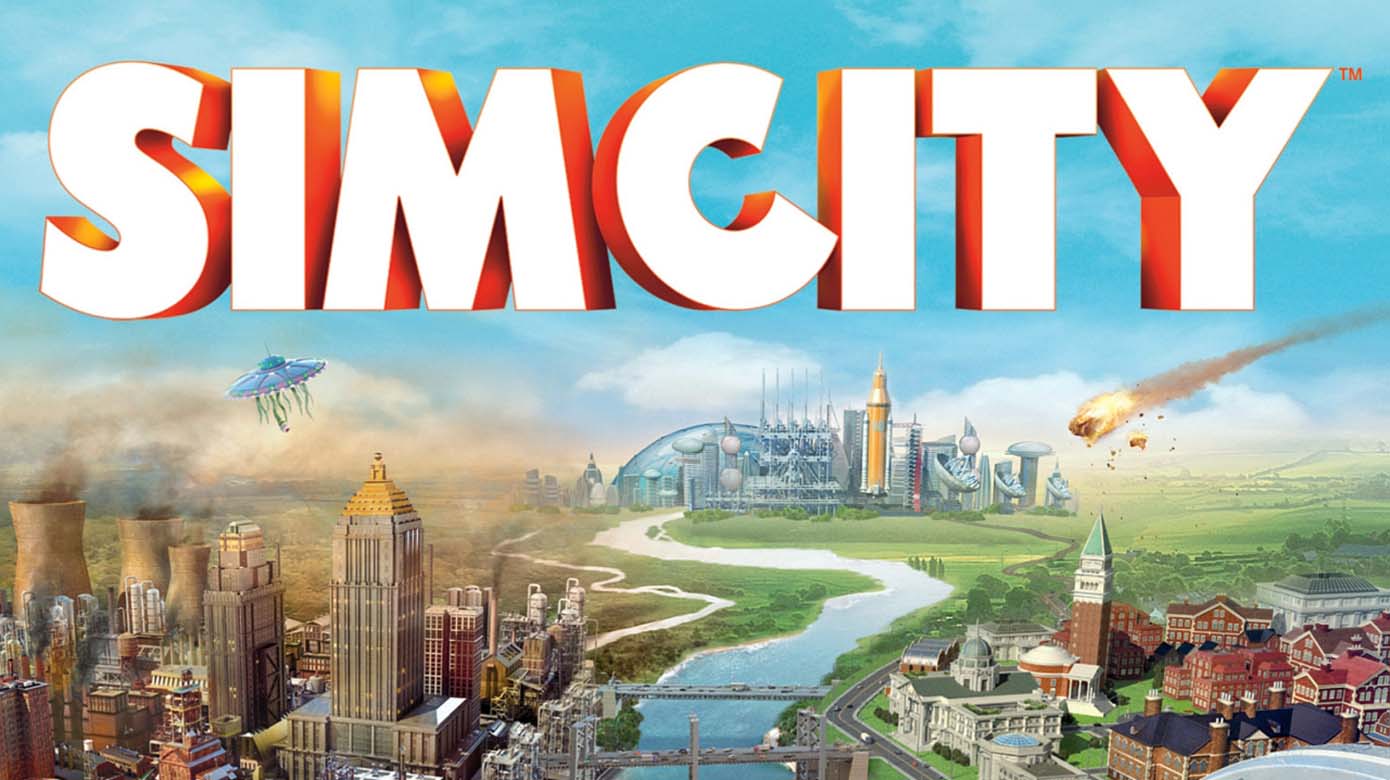
Compared to Stardew Valley, which focuses on agriculture and small-town life, SimCity 4 brings players into the grand world of city building. As the mayor, you must plan and manage a constantly expanding city, ensuring residents’ needs are met while dealing with various natural, social, and political challenges.
- City Planning and Management
In SimCity 4, the first task is to plan the city layout, including residential, commercial, and industrial zones. Proper planning improves economic income and enhances residents’ quality of life. I often experiment with different layouts and observe how the city responds. The first time I successfully created a smoothly flowing, well-resourced city, the sense of accomplishment was indescribable. City demands and development also require flexible adjustment according to changing times, from basic infrastructure to constructing skyscrapers and advanced public facilities. Each step requires careful thought.
- Handling Unexpected Events
Unexpected events frequently catch city managers off guard. From natural disasters to social unrest and economic crises, the mayor’s duties extend beyond construction to crisis management. After a typhoon hit my city, I realized my disaster preparedness was insufficient, causing significant damage. To remedy this, I increased investment in infrastructure, improved disaster prevention, and strengthened post-disaster relief. Each time I resolved these issues, I felt immense satisfaction and accomplishment.
- Balancing Economy and Environment
SimCity 4 also made me deeply aware that balancing economic development and environmental protection is crucial in city building. Overdevelopment causes pollution and impacts residents’ happiness, while environmental protection can limit economic growth. Finding a reasonable balance between the two tests both wisdom and decision-making. Once, to meet residents’ environmental demands, I implemented a series of eco-friendly policies. Although the economy was slightly affected short-term, the city’s sustainable development was ensured in the long run.
III. Cities: Skylines — A New Challenge in Modern City Building
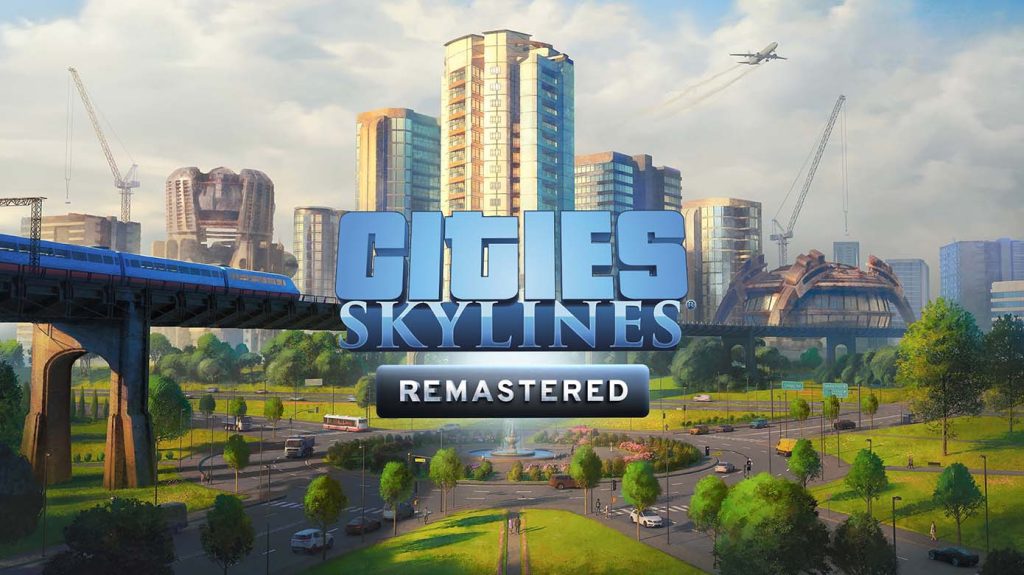
Like SimCity 4, Cities: Skylines allows players to experience city planning, but its design is more modern, and the details are richer. Every city you build must consider traffic, education, healthcare, entertainment, and other needs. Compared to SimCity 4, Cities: Skylines offers greater freedom and challenge.
- The Challenge of Traffic Management
Traffic management is the most challenging aspect of Cities: Skylines. As the city expands, traffic bottlenecks become a major issue. I spent a lot of time studying road designs, experimenting with different transportation methods and route layouts, and eventually found a solution that alleviated traffic congestion without hindering city development. This process from difficulty to resolution gave me a strong sense of accomplishment.
- Resource Management and Citizen Needs
Cities: Skylines requires not just building a city but also managing resources and balancing citizens’ needs. Electricity, water, and waste management infrastructure must be allocated reasonably, as their quality directly affects citizens’ quality of life. To maintain city prosperity, I continuously optimized resource allocation and service systems, ensuring every area received adequate support.
- Modern Construction and Sustainable Development
As the game progressed, I realized modern cities require more than skyscrapers and highways—they also need sustainable development. Eco-friendly buildings, green transportation, and environmental policies became my focus. I especially enjoyed constructing parks and green spaces, which not only improved residents’ happiness but also made the city more livable. This transition from pure construction to genuine social and environmental concern was a profound reflection offered by Cities: Skylines.
From farms to cities, Stardew Valley, SimCity 4, and Cities: Skylines allowed me to experience different lifestyles and life challenges. Whether transforming from a penniless farmer to a business empire builder or from a small-town planner to a metropolitan mayor, these games let me enjoy entertainment while reflecting deeply on management, decision-making, and responsibility. These simulation games are more than mere entertainment—they offer a profound reflection on how we make choices and balance competing demands in complex environments. Every plan and decision shapes the future, and every small success lets me experience real accomplishment in a virtual world.