In the world of strategy games, victory often depends on meticulous planning, efficient resource allocation, and precise anticipation of opponents’ moves. I have always believed that the charm of strategy games lies not only in intense combat but also in the thrill of full-scale control—like a commander, moving every piece, planning every route, and ultimately claiming glory on the battlefield. Every gaming experience feels like a complex contest of intelligence, requiring patience, insight, and attention to detail. Today, I want to share my experiences and insights from three popular strategy games: Civilization VI, Total War: Three Kingdoms, and Hearts of Iron IV. Through these games, I have come to understand how the optimal strategic layout can help secure victories with ease.
I. Civilization VI — The Rise of Civilization and Strategic Planning
Civilization VI is a turn-based strategy game beloved by players worldwide. The core of the game revolves around building and expanding a civilization through city development, technological advancement, diplomatic interactions, and military action. Each game feels like a historical reenactment, where victory depends not only on military strength but also on long-term strategic vision.
- City Layout and Resource Management
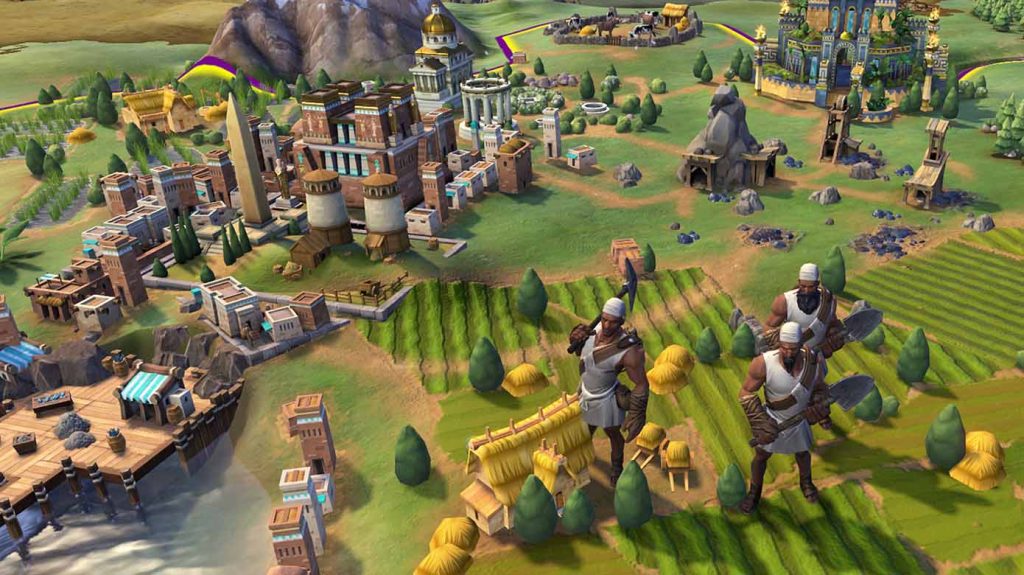
In Civilization VI, city placement and layout are crucial. Each tile offers different resources, and I usually prefer settling near rivers and mountains to facilitate agriculture and provide access to minerals. City layout affects productivity directly and influences technology development and military deployment. For example, I prioritize constructing food and production buildings to ensure rapid city growth while providing stable logistics for future army expansion.
- Balancing Technology and Culture
Technology and culture are the two pillars of civilization development. I often face the choice of prioritizing military technology to strengthen combat or investing in culture and diplomacy to enhance the nation’s overall influence. In one game, I focused on cultural technology. Although my early military strength was relatively weak, I leveraged diplomacy and trade to accumulate resources. By mid-to-late game, my strong cultural advantage and alliances allowed me to achieve dominance over other civilizations. This experience taught me that strategic planning is not just about military deployment but also requires consideration of overall developmental rhythm.
- Military Strategy and Battle Victory
As a civilization grows, military strategy becomes increasingly important. In one war against a neighboring civilization, I deployed multiple armies while utilizing terrain advantages and unit composition to capture key cities. The pre-planned technology and resource reserves placed me in an advantageous position during the war. Through Civilization VI, I realized that optimal strategic layout combines city planning, technology progression, and resource management to form a comprehensive advantage, not just immediate battlefield tactics.
II. Total War: Three Kingdoms — Historical Warfare and Macro Control
Total War: Three Kingdoms immerses players in the turbulent late Eastern Han period, combining turn-based strategy with real-time tactical battles. What I enjoy most about this game is that it requires players to plan national strategy on a macro scale while personally commanding armies in each battle.
- Army Composition and Unit Synergy
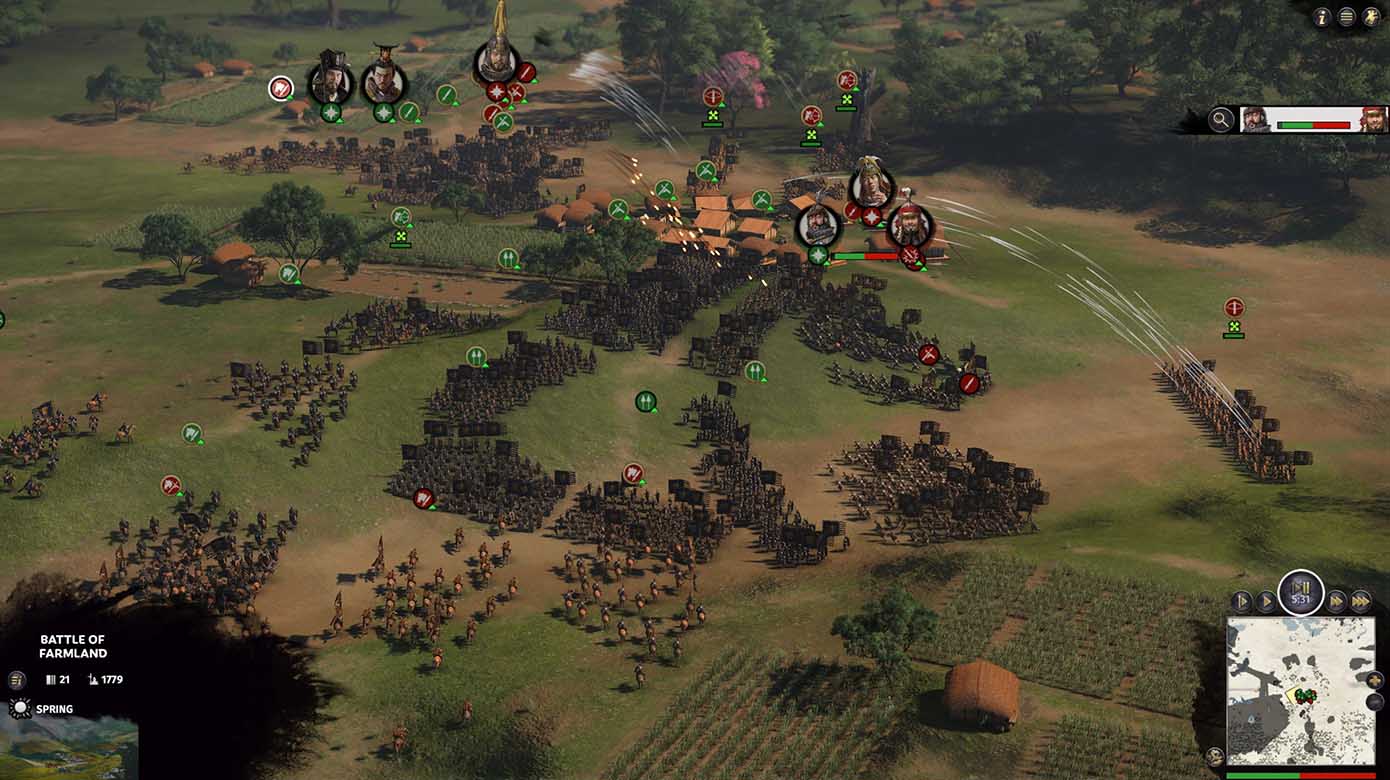
In Total War: Three Kingdoms, unit types have natural strengths and weaknesses. I typically assemble armies with a balance of infantry, cavalry, and archers to create versatile forces. I also select units based on terrain—for instance, deploying archers and light infantry in mountainous regions while prioritizing cavalry charges on flat plains. This setup provides a psychological advantage before battle even begins.
- Map Resources and City Management
Resources and cities are the foundation of sustained warfare. I plan city development routes in advance, prioritizing granaries and barracks to ensure a steady army supply. By occupying strategic points to control resource production, I can weaken enemy forces through shortages. This macro-level planning allows me to proceed steadily in war rather than relying solely on tactical combat.
- Battlefield Strategy and Victory
During battles, I focus on troop movements and formation deployment. Using flanking maneuvers, splitting enemy forces, and ambush tactics, I have often turned weaker forces into victorious armies. In a decisive battle against Cao Cao’s forces, I leveraged terrain and fire tactics to halt their large-scale assault and achieved a decisive victory. This taught me that optimal strategic layout requires not only pre-war preparation but also flexible adjustments and full battlefield control.
III. Hearts of Iron IV — Strategic Vision in Global Warfare
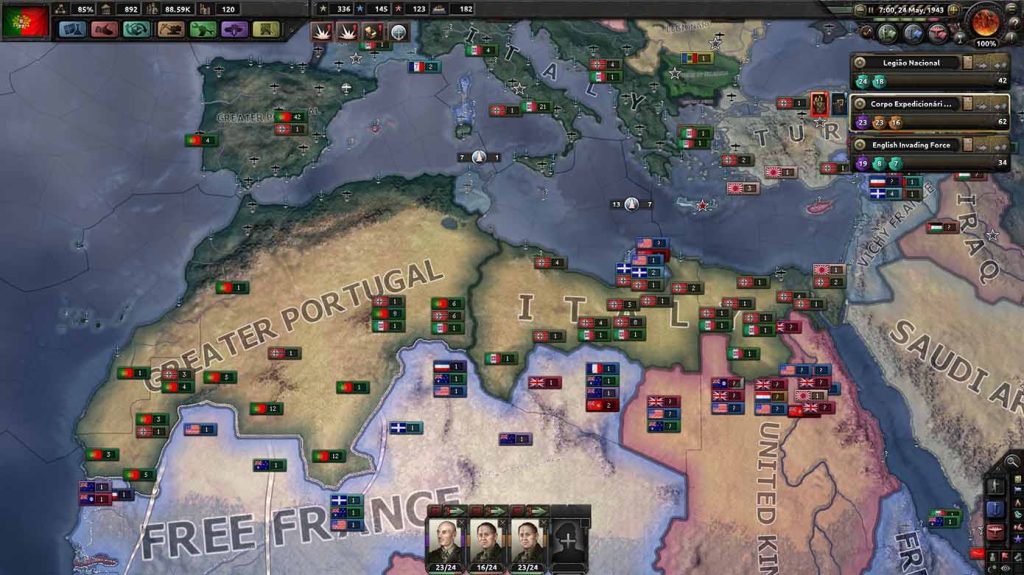
Hearts of Iron IV is a strategy simulation set during World War II. I enjoy its grand historical backdrop and complex strategic systems. Players manage a nation’s politics, economy, and military, formulating strategies on a global scale.
- National Policies and Strategic Planning
Choosing appropriate national policies is critical in Hearts of Iron IV. I typically develop long-term strategies based on a nation’s resources and geography. For example, playing as Germany, I prioritize mechanized army units while maintaining balanced air and naval forces. By allocating strategic resources and selecting policies carefully, I prepare my nation for every phase of war.
- Alliances and Diplomatic Strategy
Diplomacy is equally vital. I use alliances, treaties, and influence over neighboring countries to create a favorable international environment. In one game, diplomatic efforts successfully brought Italy and Hungary into my faction, giving me a significant advantage on the Eastern Front. I realized that warfare relies not only on troops but also on shaping advantageous situations through strategic maneuvering.
- Campaign Command and Resource Management
Victory depends on effective resource management and campaign leadership. I deploy forces strategically across fronts while ensuring industrial capacity supports frontline operations. By efficiently allocating resources and continuously improving military equipment, I have achieved breakthroughs on global battlefields multiple times. This level of macro planning allows me to experience the complexity and challenge of real-world warfare in a virtual environment.
Through Civilization VI, Total War: Three Kingdoms, and Hearts of Iron IV, I have deeply understood the true meaning of optimal strategic layout. Whether in civilization development, city construction, campaign command, or global strategy, every step requires patience, intelligence, and a comprehensive perspective. Efficient resource allocation, precise troop deployment, and anticipating enemy intentions are keys to easily winning battles. Strategy games not only hone logical thinking and decision-making skills but also provide the sense of achievement that comes from commanding an entire operation and executing the optimal plan. Every victory affirms careful planning and layout, embodying the perfect combination of wisdom and patience.