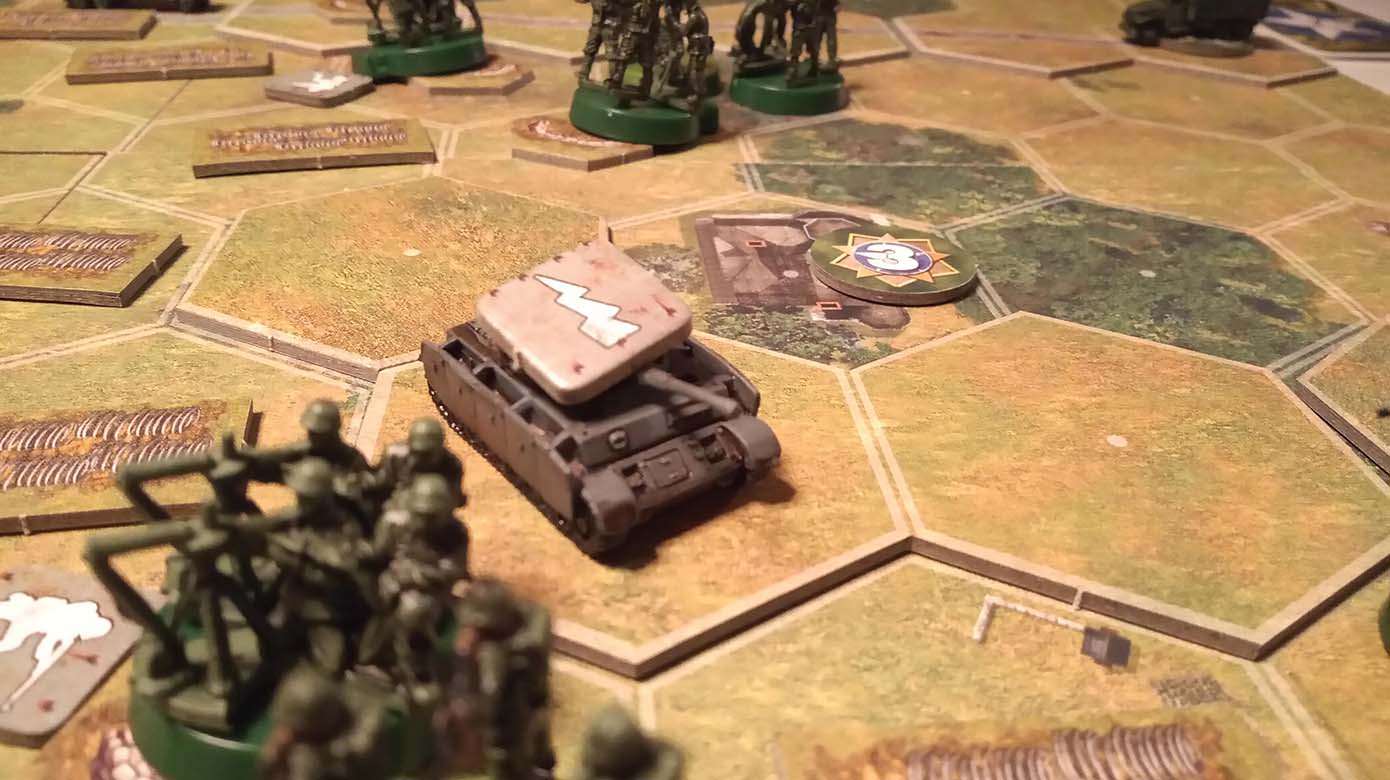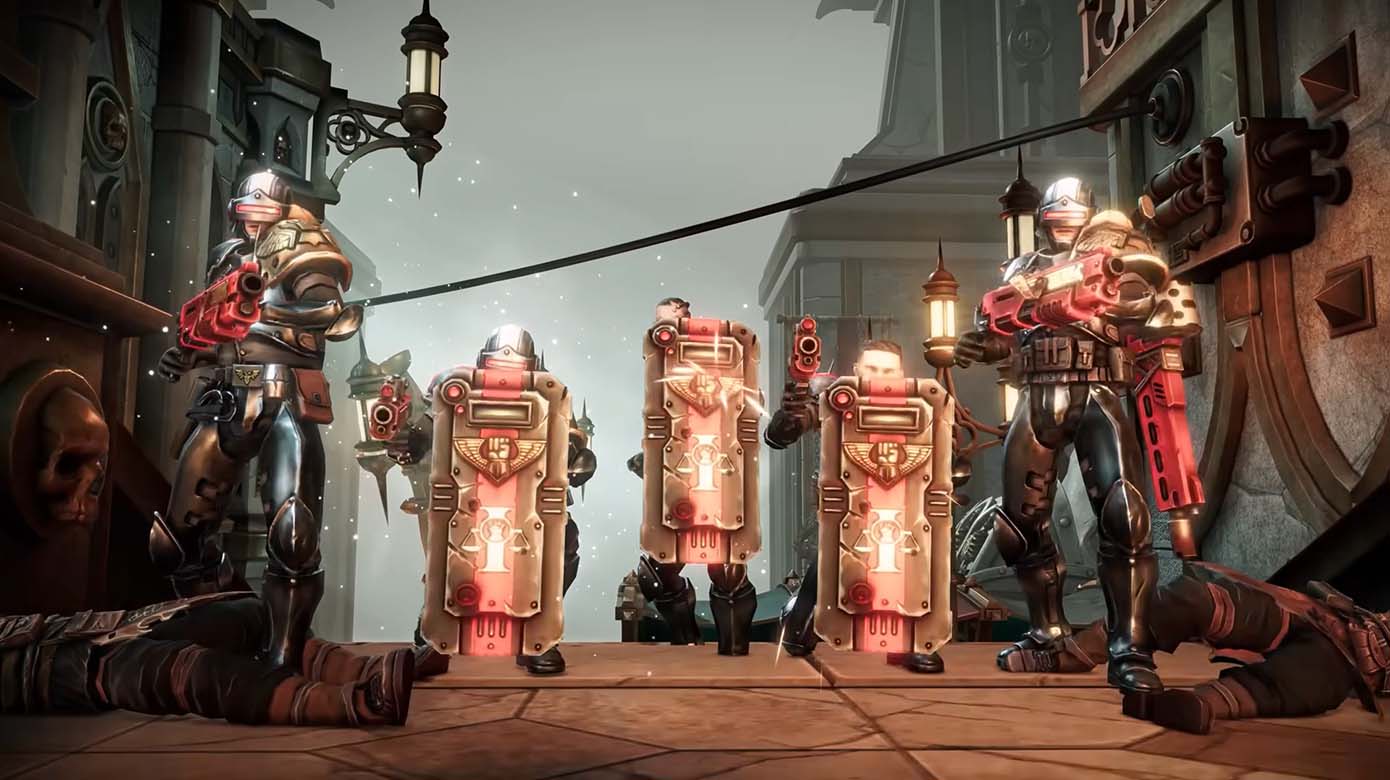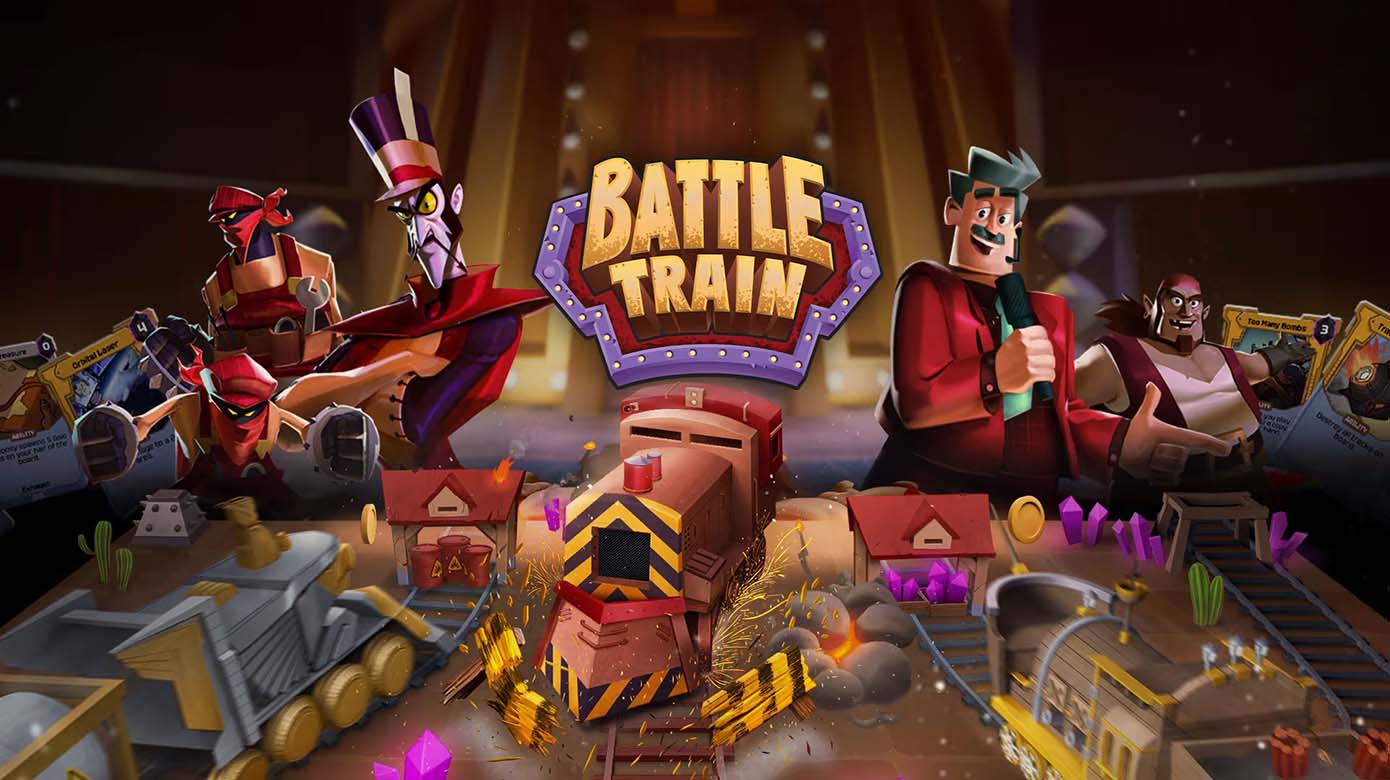
Turn-based strategy games have always been the most captivating part of my gaming world. Unlike fast-paced real-time action games, they emphasize thinking, planning, and overall control. Every move, every action can influence the outcome of a battle, and this tension driven by strategy keeps me fully immersed. Over the past few months, I have deeply explored three popular turn-based strategy games—Mecharashi, Battle Train, and OverKnights. Each game offered me a unique experience in gameplay, tactics, and strategic depth, giving me a fresh understanding of the appeal of turn-based strategy games.
One, Mecharashi—Strategic Battles in the Mecha World
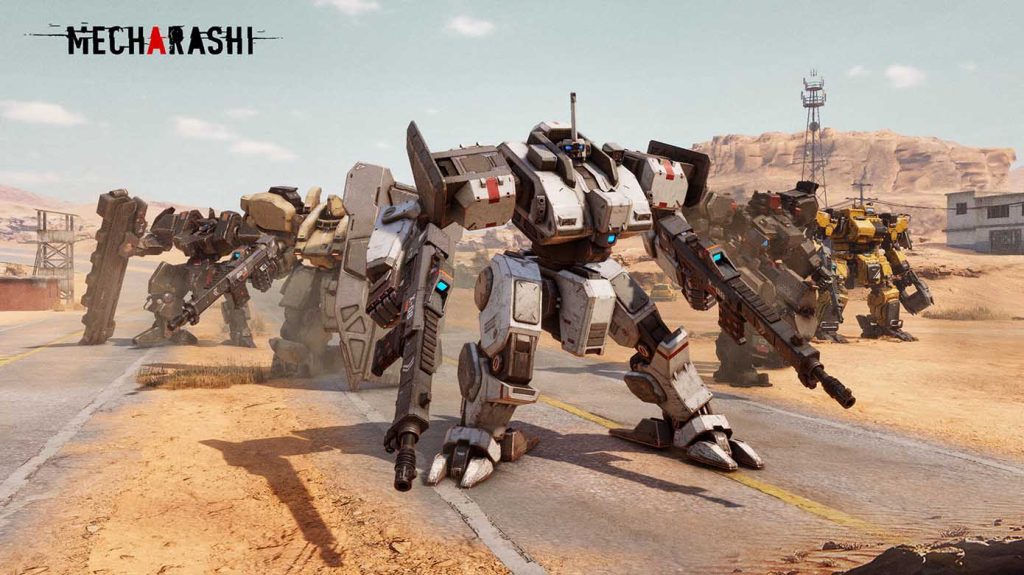
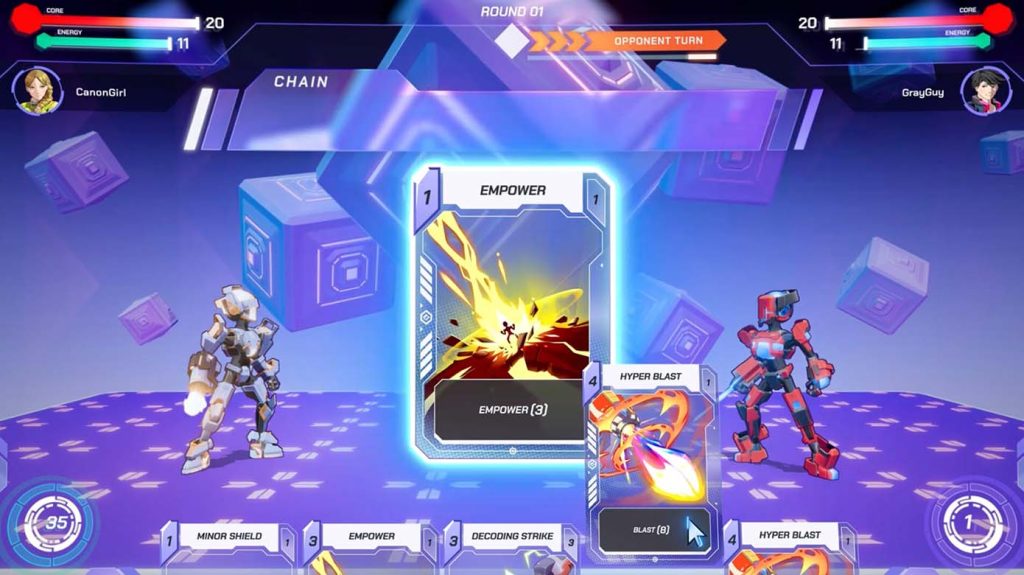
Mecharashi is a turn-based strategy game centered on mecha combat. It cleverly combines mechanical technology with tactical planning, making each battle a contest of intelligence and skill.
- Mecha Combinations and Attribute Matching
In Mecharashi, choosing and configuring mechas is crucial. I usually combine long-range attack mechas with high-defense melee mechas to create a balanced attack and defense team. In one multiplayer match, I skillfully used the attributes of different mechas to draw enemy fire and execute a flanking maneuver, ultimately securing victory. This combination strategy made me realize that in turn-based games, the positioning and attributes of each character can significantly influence the battle outcome. - Battlefield Environment and Tactical Application
The game features diverse battlefield designs, from urban ruins to open plains, each terrain offering tactical value. In one mission, I used high ground for vision and obstacles for cover to pick off enemy ranged units one by one. Mecharashi emphasizes battlefield observation and environmental utilization, requiring me to plan my moves in advance rather than relying solely on attack power or stats. - Skill Coordination and Turn Management
Each mecha has unique skills that must be used wisely within limited turns. In battles, I often combine skills for maximum damage, such as using control skills to freeze enemies and then concentrating long-range fire to attack. This fine management of turns and skills continually allowed me to experience the combination of strategic depth and operational thinking.
Two, Battle Train—Innovative Warfare and Railway Strategy
Battle Train cleverly merges turn-based strategy with railway transportation and war defense, offering fresh and highly strategic gameplay. The game challenges not only troop deployment but also resource allocation and route planning.
- Railway Layout and Resource Allocation
In Battle Train, the railway network is central. I need to plan transport routes within a limited time to ensure troops and supplies reach the frontline. In one urgent mission, I adjusted the train routes, enabling the army to assemble before enemy blockades, turning the tide of battle. This integration of railways and tactics allowed me to experience a novel and deep approach to turn-based strategy. - Unit Deployment and Formation Strategy
Each unit type has unique traits. I typically place long-range archers on high ground, infantry along the railway sides for defense, and cavalry ready for rapid strikes. This formation proved critical in key turns, allowing me to hold the line even against numerically superior enemies. Battle Train taught me that turn-based strategy is not only about actions but also about overall layout and resource management. - Turn Economy and Action Sequencing
With limited action points per turn, distributing them wisely is essential. In a multiplayer match, I first used scouting units to locate enemy positions, then struck weak points with fast-moving units, and finally concentrated main forces for the finish. This careful planning within turns allowed me to balance strategic thinking and tactical execution, providing a high sense of accomplishment.
Three, OverKnights—Tactical Conquest in a Fantasy World
OverKnights is a turn-based strategy game set in a fantasy world of knights, combining hero skills, unit combinations, and tactical deployment to provide deeply engaging strategic gameplay.
- Hero Skills and Unit Combinations
In OverKnights, each hero has unique abilities, and units interact with strengths and weaknesses. I usually let tank heroes draw fire while ranged attackers and support units operate from the rear. In a large dungeon encounter, my careful coordination of hero skills and unit placement allowed me to suppress elite enemy forces and achieve a perfect victory. This demonstrated that hero and unit combinations are key to success. - Terrain Utilization and Tactical Layout
The game features varied terrain, including mountains, forests, and rivers, all affecting movement and combat. In one campaign, I positioned archers on forest high ground, using terrain cover and ranged advantage to gradually wear down enemies. Tactical layout and terrain use greatly enhanced battle depth, requiring me to calculate every move carefully. - Quest Chains and Long-Term Strategy
OverKnights emphasizes not only individual battles but also quest chains and long-term development. By completing main and side quests, I gradually leveled up heroes and strengthened my army while planning city defenses and resource growth. This long-term strategic gameplay allowed me to experience the full scope of turn-based strategy and its depth.
Through my deep experience with Mecharashi, Battle Train, and OverKnights, I have gained a profound understanding of the unique appeal of turn-based strategy games. Whether it is tactical battles in the mecha world, innovative railway warfare, or tactical conquest in a fantasy realm, each game delivers an ultimate experience in strategic depth, action planning, and overall layout. Turn-based strategy games not only train my logical thinking and decision-making but also allow me to feel the satisfaction of controlling battles through intelligence and strategy. Every victory represents the perfect combination of strategy, planning, and operational thinking, giving me unparalleled challenge and enjoyment in the gaming world.